The most dangerous illusion AI gives content teams isn't that it generates too slowly—it's that it generates too fast.
A first draft materializes in minutes. It spits out 10 headline variations instantly. At this moment, many teams make the fatal mistake of thinking, "the content is finished." In reality, the real work has just begun. Whether an AI draft can be generated and whether it should be published are two entirely different things.
For platforms like SeoSpeedup—where article generation, title optimization, humanization (rewriting), AI detection, and plagiarism checks are built as independent tools—the goal isn't to randomly pick a tool. The goal is to stitch them into a rigid, sequential Quality Assurance (QA) workflow before you ever hit "Publish." This ensures your team stops asking "Do we have a draft?" and starts asking "Will this draft actually drive safe, sustainable traffic?"
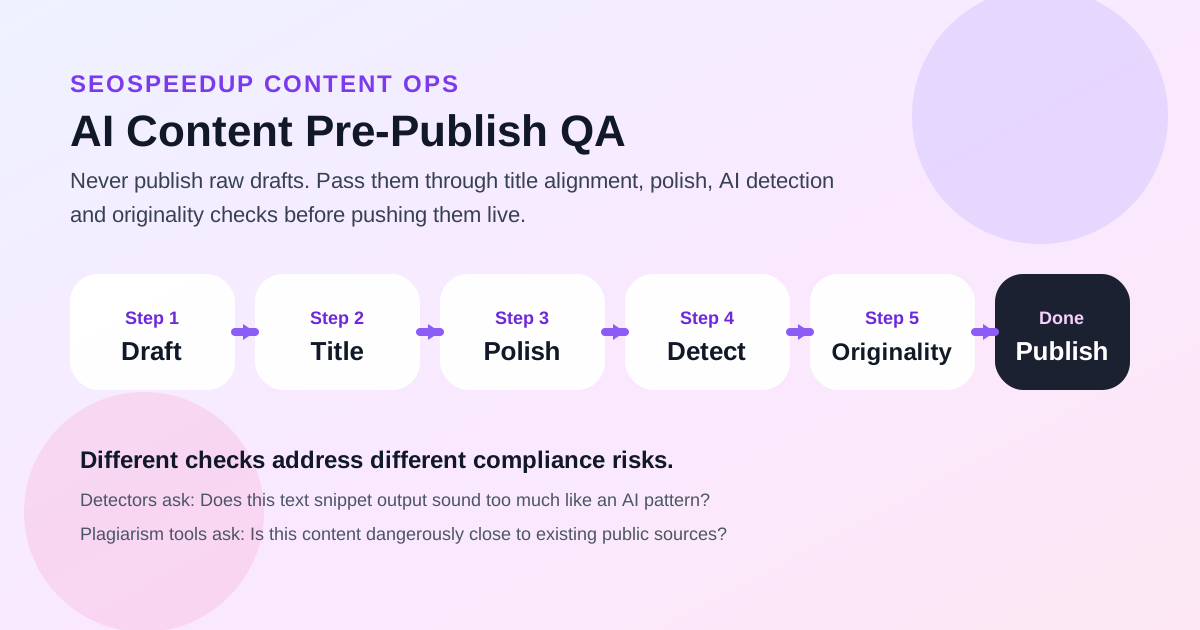 The safest approach to AI content isn't isolated spot-checks. It's a pipeline: Title alignment, Humanization, Detection, Plagiarism, and Technical SEO checks.
Why Does AI Content Always Stumble at the Finish Line?
Because AI is exceptionally good at "text generation," but terrible at "publishing judgment."
Un-audited AI drafts usually fail in these specific ways:
- The structure is logical, but the Title answers the wrong search intent.
- The grammar is flawless, but the tone sounds mathematically averaged and soulless.
- The content looks highly original, but functionally duplicates an existing page on your site.
- The text is fine, but the technical SEO signals on the actual landing page are utterly broken.
If you don't isolate these risks before launch, AI tools quickly devolve from "efficiency boosters" into "rework multipliers."
SeoSpeedup AI Tools: Which Solves What?
You must distinguish between these tools. They aren't redundant; they answer entirely different risk profiles.
| Tool | Core Question Answered |
|---|---|
| AI Article Generator | Can we quickly build an initial structure and foundational draft? |
| AI Title Generator | What specific angle makes this topic worthy of a click? |
| AI Rewrite / Humanizer | Is the phrasing too stiff, unnatural, or robotic? |
| AI Content Detector | Does this text exhibit obvious AI watermarks or mechanical patterns? |
| Plagiarism Checker | Is this dangerously close to existing published content (duplicate risk)? |
Understanding this matrix prevents the ultimate beginner mistake: Using a plagiarism checker to see if it "sounds like AI," or using an AI detector to find duplicated content.
The Bulletproof Pre-Publish QA Sequence
Step 1: Draft the Skeleton (Article Generator)
Treat the AI Article Generator purely as a "Structure Accelerator."
Focus on:
- Does the hierarchy follow a logical path?
- Are the H2s and H3s actually answering the core query?
- Is the AI hallucinating filler paragraphs that add zero information?
The goal here isn't to launch. It’s to get the skeleton out of your head and onto the page.
Step 2: Lock the Click Intent (Title Generator)
Before I edit a single paragraph of the body text, I finalize the Title.
Why? Because if your angle is wrong from the start, no amount of rewriting will save the article. Use the AI Title Generator as an "Expectation Management" tool:
- Does the title honestly reflect the solution provided in the text?
- Will the reader feel misled and bounce instantly?
If you are struggling with metadata logic, see our guide: Title and Description Workflow.
Step 3: Polish the "Last 20%" (AI Rewrite)
I highly recommend pushing the AI Rewrite Tool to the end of the drafting phase, not the beginning. Polishing a draft before the structure is finalized is a waste of time.
Use this step to:
- Eradicate repetitive, templated AI phrases (e.g., "In conclusion, it is important to note...").
- Inject dynamic, asymmetrical rhythm into flat paragraphs.
- Transform a piece that looks "like an article" into something that looks "written by a human expert."
Step 4: Verify the "Machine Scent" (AI Detector)
The AI Content Detector solves a highly misunderstood problem:
Is this content going to damage trust by sounding mechanically generated?
Even if a post is 100% original, if the cadence, vocabulary, and paragraph transitions scream "ChatGPT," readers lose trust, and search evaluators take notice. Use the detector to identify "too-safe" paragraphs and rewrite them with actual human insight.
Step 5: Check Duplicate Risk (Plagiarism Checker)
The Plagiarism Checker answers a totally different threat:
Are we about to get penalized for copying external content?
This is mandatory for:
- Mass-generated programmatic SEO content.
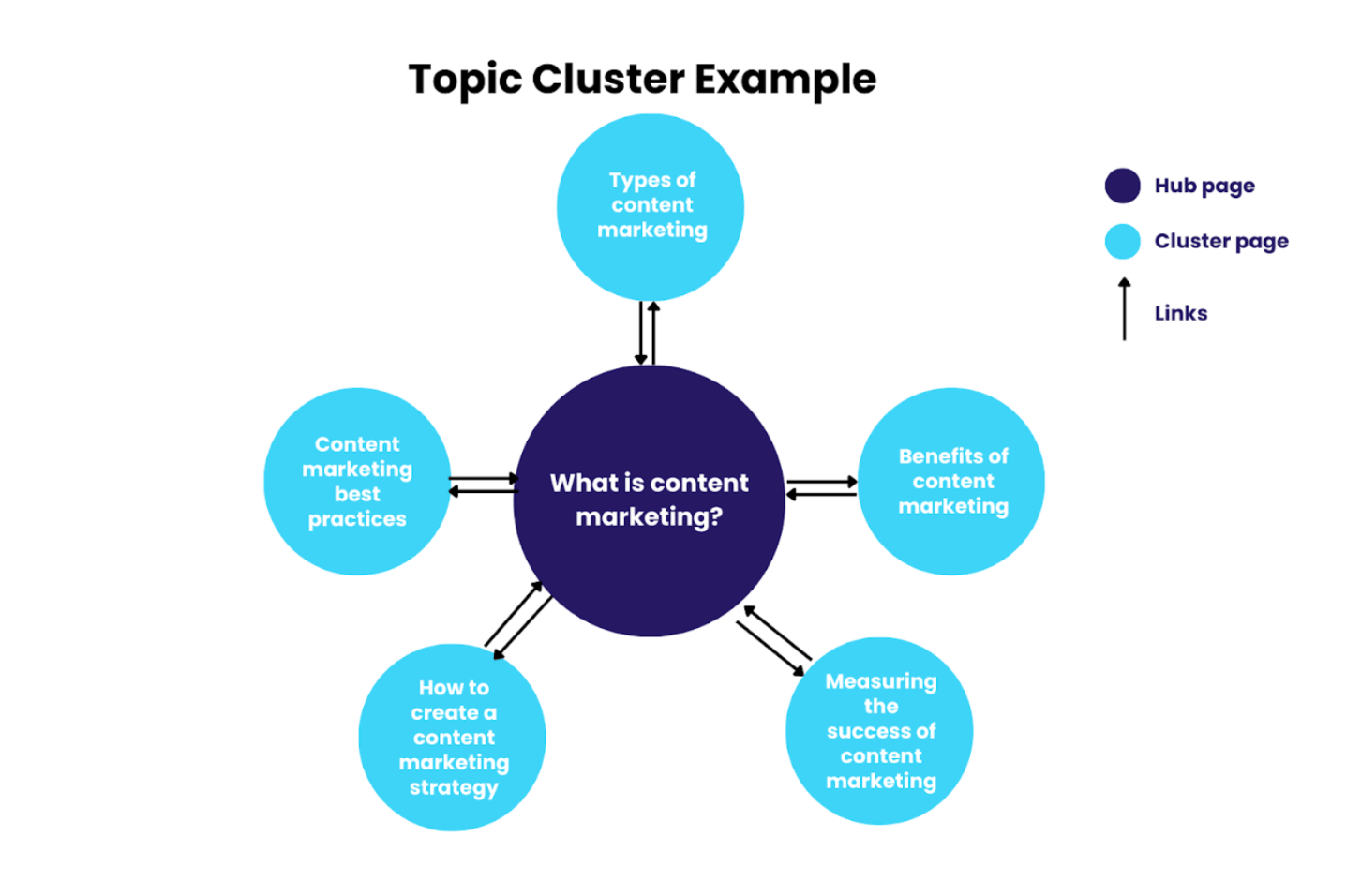
- Topic clusters that rely heavily on the same source material.
- Outsourced freelance writing.
The Final Check: Technical SEO Sanity
Even if the manuscript is a masterpiece, the deployment can still ruin it. Before hitting publish, run the URL through the SEO Analyzer to verify:
- Are the Title and Description rendering correctly?
- Is the Canonical Tag pointing to the right place?
- Is the page trapped in a crawler block?
Conclusion: Stop Generating, Start Auditing
If you are using SeoSpeedup to scale your content, the best strategy isn't "use whichever tool feels right." It's locking into a strict QA pipeline:
- Skeleton: AI Article Generator.
- Intent: AI Title Generator.
- Humanization: AI Rewrite.
- Machine Scent: AI Detector.
- Duplication: Plagiarism Checker.
- Technical: SEO Analyzer.
Stop letting the speed of AI dictate your quality standard. Shift from content creation to content auditing.